Working Near the Railway? A Simple Guide to Navigating Network Rail’s ASPRO Requirements
When a project sits close to the railway, things can get complicated quickly. Most developers, utility providers and contractors already juggle plenty of technical demands before construction even begins. Add rail boundaries, approvals and safety obligations into the mix, and it’s easy to see why many teams feel overwhelmed.
That’s where understanding Network Rail’s Asset Protection and Optimisation (ASPRO) process becomes essential.
What ASPRO Actually Covers
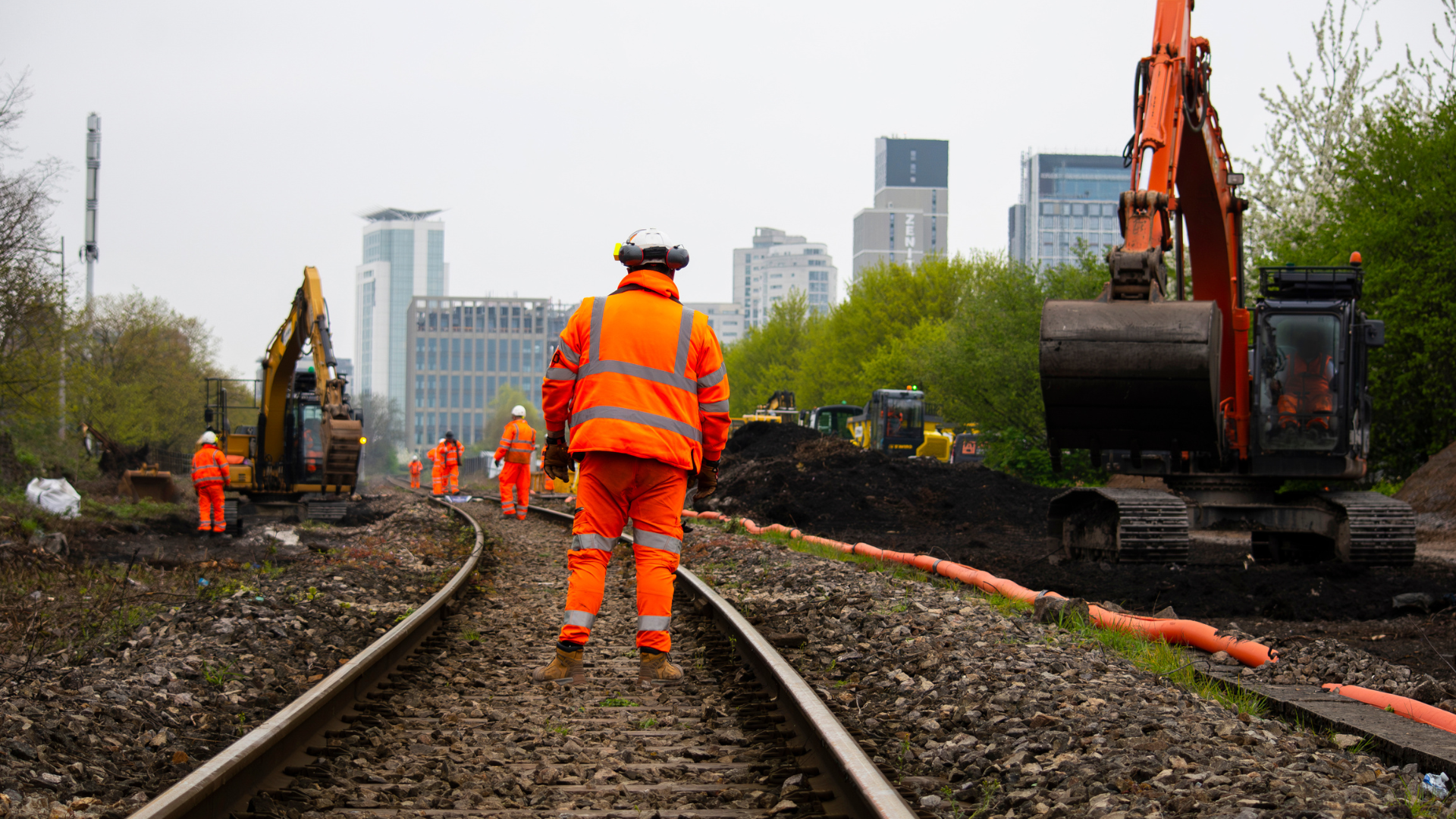
Network Rail’s ASPRO teams oversee any work that happens on, over or near the railway. Their role is to make sure third-party activity doesn’t put passengers, staff or rail assets at risk. This applies to far more scenarios than most people realise.
Projects that typically trigger ASPRO involvement include:
- civil or construction works close to the boundary
- utilities installation, diversions or upgrades
- repairs or upgrades to structures such as bridges
- level-crossing improvements
- under-track works
- maintenance tasks carried out near live operational areas
- new developments planned beside rail land
These projects can influence signalling, drainage, structural stability and rail operations. Because of that, Network Rail requires a structured approval process to keep everything safe and compliant.
How the ASPRO Process Works
One of the most helpful things any project team can do is involve ASPRO early. The earlier Network Rail understands what’s planned, the easier it is to identify risks and determine what controls or approvals will be needed.
Here’s what typically happens:
- Early engagement: You outline the scope of your work so ASPRO can assess its potential impact.
- Risk assessment: Network Rail reviews a wide set of risks—covering both engineering and operational concerns—to work out who is responsible for what.
- Formal agreements: Depending on the complexity of the work, you may enter into a Basic Asset Protection Agreement (BAPA) or a more detailed Asset Protection Agreement (APA). These set expectations for design, safety, costs and timelines.
- Design and assurance: Your designs go through technical checks to ensure they meet relevant standards and won’t compromise rail infrastructure.
- On-site coordination: If works affect access or require supervision, ASPRO schedules support and monitoring as needed.
It’s a structured process, but one that can quickly become time-consuming for teams that haven’t dealt with it before.
Start Your Rail-Adjacent Project with Confidence
If your upcoming works fall anywhere near the railway, get in touch with Mocka Ltd. We’ll guide you through every step of the ASPRO process so you can plan with clarity, keep your schedule intact and move forward without unnecessary setbacks.